We are a group of 1st year Hartpury University students. The name GITA is an acronym of our names: Georgia, Georgie, Isabella, Tia and Amelia.
We are all passionate about horses, so for our marketing project we have chosen to look at Neue Schule horse bits. Within this blog we will explore the macro and micro environmental factors of Neue Schule as well as various pieces of analysis. You can find out more about us on our “Who We Are” Page.
In our blogs we will be looking at, micro and macro analysis, critical success factors, SWOT analysis and marketing mix of our chosen company which is Neue Schule bits.
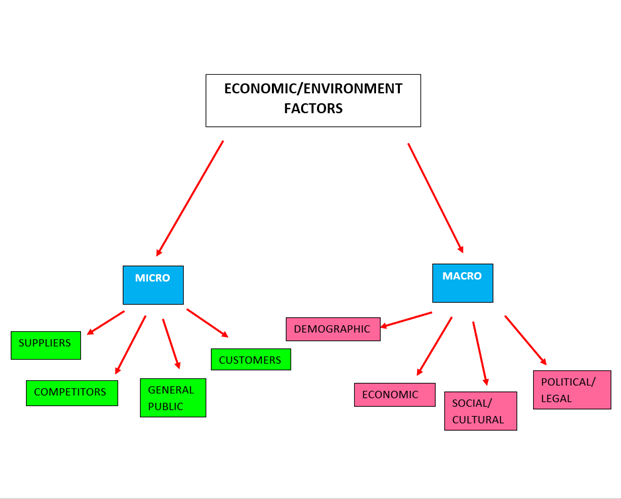
We were able to identify both micro and macro factors that effect Neue Schule. Examples of micro being customers, suppliers, competitors, and the general public. Example of macro being economic factors, demographic factors, social and cultural forces and political or legal factors.
Then going onto establish critical success factors that effected Neue Schule bits, examples of these are, Neue Schule bits keep a high- end reputation within equestrianism making them nightly sort after, another example being their success in supplier markets, having this niche company name means that it makes it hard for other competitors.
SWOT analysis identity’s strengths and weaknesses which relate to a company, it also apply to opportunity and threats which relates to factors out side of the company. We were able to determine a couple of strengths for a company, the main strength being the reputation as a high standard bit Neue Schule have made for themselves. However this does lead to a weakness, with having this reputation it does mean that the bits can be quite expensive. Opportunity for Neue Schule is their ability now to look to do other products, as they have done with their new spur range, as at the minute there are limited to just bits.
Lastly we looked at service market characteristics. This include lack of ownership, intangibility, inseparability, perishability and heterogeneity. We were successful in being able to relate this back to our chosen company.
Lack of ownership refers to the fact that you cannot own or store a service. (Maximillian Claessens, 2015.)
This is referring to the staff and big events such as Badminton, Olympia and HOYS. It gives people service (by providing the entertainment) and they also get to view all the products, but customers cannot own the service in the same way that they can own the products (provided by the shopping at the events, including being able to purchase Neue Schule’s bits). In this case, they have to wait yearly for the events to come around again. The Neue Shule bit is in the in-between stage, because you get both the product and the service.
Intangibility – you cannot store a service like you could a product; it’s not touchable.
With Neue Schule, the service would come from the staff providing advice and promoting their products at events (such as Badminton) because they are at an event, which classifies as an experience, but also allows people to gain knowledge and support on choosing the correct bit for the horse in question. This means the owner can gain knowledge when buying but physically cannot take the product home, until they know what they want to buy at a later date.
“Inseparability is a service characteristic that renders it impossible to divorce the supply or production of the service from its consumption”. (Boundless, 2020.)
Once the consumer has acquired the correctly fitted bit for their horse, such as one from Neue Schule, the owner will no longer need to buy several bits for their horse (due to Neue Schule’s technology that moulds to correctly fit the horse’s mouth) unless it becomes fitter, which can lead to the horse becoming stronger and changing shape. Then, the owner can look into the next design of bits to help with that situation. Also, if they are being fitted to young horses then the owner can keep coming back for new advice each time the horse progressed further and therefore reaches its next step in his/her career.
Perishability – services last a specific time and cannot be stored for later use.
Big events only come around once a year, so many people will not have the opportunity to go and ‘test’ Neue Schule’s bits, with all the advice added at the same time as well as being able to feel the quality of the product. As a result, people don’t always receive this service all year round.
Heterogeneity – systems and producers that endure that they provide a consistent service.
Neue Schule is a very popular brand that is known for its superior quality bits and high-end marketing, making it more expensive to buy. People feel as though they get provided with the best advice from the staff, they are made to feel special because the staff are always available to give advice when they buy the product, and this gives people satisfaction as they know they can keep their horse happy at all times. This, therefore, adds to the expense of the product because there is an element of inclusivity for each customer that other competitor brands may not provide.
SWOT analysis was created by Albert Humphrey in the 1960’s/1970’s. It can be defined as a process which generates information that is helpful in matching an organization or group’s goals, programs, and capacities to the social environment in which it operates (Morrison, M., 2008. The Complete History And Guide To SWOT Analysis). It allows a company, such as Neue Schule to identify their internal strengths, weaknesses and external opportunities and threats. It helps them to discover what they do better than their competitors and what the competitors do better than them.
A major strength to Neue Schule is that it is a niche company, which means that it has few competitors and allows it to easily gain market share. This popularity would mean that new buyers effectively ‘buy for the name.’ Furthermore, a lot of buyers would assume that a high price would reflect a quality product ensuring results. Another strength is that they sponsor riders enabling more exposure for the brand eventually becoming a worldwide name.
A weakness to the company is that the product is expensive which limits the amount of people that can afford to buy it. This may act as a deterrent when there are cheaper substitutes. In order to make these products they have to import unique materials and do in depth research and development to support the quality of their bits, which is costly to the business.
Neue Schule has some exciting opportunities. In the future they could branch out from bits into other products- something they have recently done with their new spurs. Not long ago, at Your Horse Live, they set up a mechanical horse for people to ride on and it gives objective feedback on your riding technique. Doing this in the future could attract more customers since it is fun and informative.
At the moment they have limited threats. There are substitute bits which are cheaper but arguably don’t deliver the same results. They do have some competition such as Bomber bits however competitors don’t have much influence on the success of Neue Schule at the moment. But, with the company bringing out new products competitors could start doing the same.
Threats – Competitors > similar bits from other companies at a better price – Similar cheap bits
Opportunities – Branch from bits into spurs etc – Props/event management > get involved which brings more customers
Weaknesses – Expensive > limited target market – Importing of unique materials > costly – Legislation > animal rights, affiliated competition legal? – Research & development = expensive
– Focus on cutting down overheads so that they can lower the price of the bit while ensuring their profit margin stays they same – Quality materials have proven better performances than cheap substitute bits
– Importing unique materials > more customers inclined to purchase (rare materials not available in country)
Strengths – Niche company – Buy for the brand > price reflects quality – Large market share – Sponsorship > more exposure – Used worldwide
– Continued sponsorship > constant exposure (more than other competitors?) – Niche company > harder for competitors to enter the market > barriers
– Good profit due to expensive price range of products > more money to invest in other products/branching out as a brand – Reputation
We have identified several micro factors that relate to NS. These are; customers, suppliers, competitors, and the general public. Customers are one of the most essential parts of any company as they affect the demand for a product – in this case, horse riders can impact the demand for NS bits. If the demand for NS bits is high, then this must be met by the suppliers. If supply does not meet demand, then a company like NS risks losing customers to their competitors such as Myler bits. Equally, NS could potentially get into financial difficulty because they are able to supply a large number of bits when there is very low demand.
Neue Schule also has to be very vigilant of how the general public perceive them and their products, making sure they are always seen in a positive manner and always listening to customer feedback. All microenvironment factors, as stated above, can have an affect on how much profit Neue Schule makes and therefore must be carefully monitored by the company.
Some of the macro factors that relate to NS are; economic factors, demographic factors, social and cultural forces and political or legal factors.
An economic factor that may affect Neue Schule’s profits are: if they sell a lot of products abroad but exchange rates may negatively impact their profit, meaning it may not be financially viable for NS to continue trading in certain places. Similarly to this, NS may choose not to trade within a certain region if that area has a low average income, because NS products are high in price so may not suit that particular demographic. Equally, they may not trade in cities such as London where there are not as many horses, compared to more rural areas such as Gloucestershire. Social and cultural factors can have a massive impact on how NS may try to market their product and who their target audience is; they need to consider the class of their frequent customers.
Finally, political and legal factors can influence NS products, for example – animal welfare and user safety regulations will have to be taken into account when their products are designed.
We have identified some critical success factors of Neue Schule. The first factor is that the brand makes good profits, due to their product range appealing to a more high-end and expensive market which reflects the quality of the products. The high-quality products are proven to have a better performance than cheaper substitutes, and therefore the consumers would be more likely to trust the brand and continue buying from them [Martin Christopher, Adrian Payne and David Ballantyne Taylor and Francis. Relationship Marketing: Creating Stakeholder Value: 2002]. This would build their reputation and customer loyalty and could result in better profits. Neue Schule would then be able to invest more money in other products, as well as branch out as a brand, which would allow for a better product portfolio; the revenue would not just come from the bits but from additional products also. As a result, if the bits become unpopular, they would have other products to fall back on, and this could only further their success as a brand.
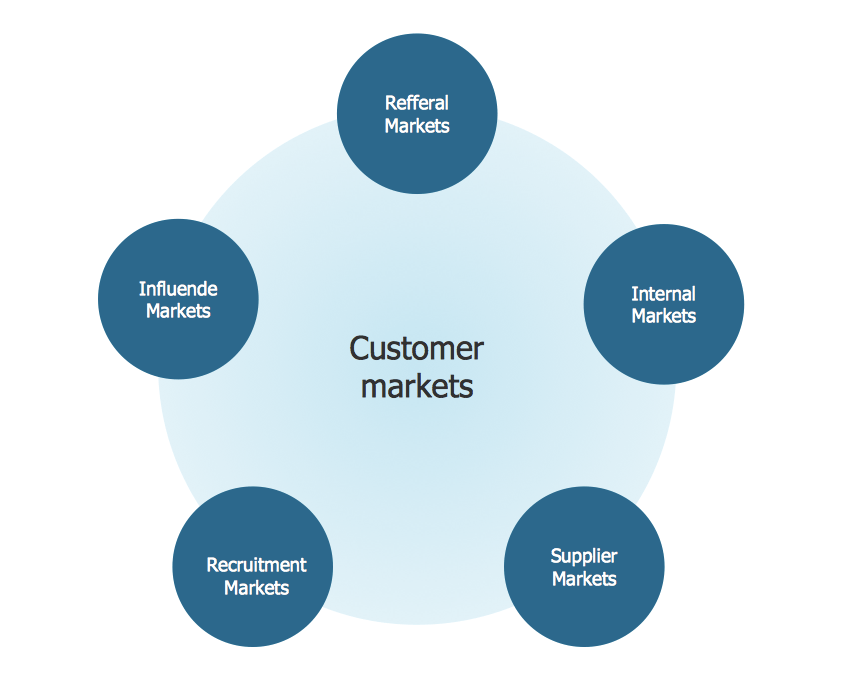
Payne and Holt’s (2001) Six Market Model (pictured below) provides an explanation to Neue Schule’s critical success factors, particularly concerning internal markets [Payne, Adrian, David Ballantyne, and Martin Christopher. ‘The development and use of the Six Markets Model. European Journal of Marketing’ (2005): pages 855-871]. By maintaining a positive relationship with their customers, more people will buy Neue Schule products, and therefore the demand for a wider range of products (branching out from exclusively selling bits) may increase. For example, if their profits from selling bits began to decrease due to competitors, producing another successful range of products from the demands of returning customers – such as bridles – would show versatility and consideration for their customers (which would have positive effects on their customer relationships), as well as benefitting the brand’s profits.
Another critical success factor of Neue Schule reflects their success within supplier markets. They are a niche company, and therefore it would be harder for competitors to enter their market as this would act as a barrier. As a result, the potential negative impacts of their competitors would only become a long-term issue, because products of both Neue Schule and their competitors would be time-consuming to manufacture. This would then allow the brand to continue growing their market share and revenue, at a rate that could be faster than any competitors, which would increase their supplier market success.
Neue Schule are sponsors of some large equestrian events, such as BETA International, and this gives the brand constant exposure – particularly to international markets, which appeals to international customers. This would increase their consumers at a global rate and could result in the brand overtaking its competitors that otherwise may be only nationally focused [Lindgreen, Adam. ‘Marketing Intelligence & Planning’ (2004): pages 160-186]. Neue Schule maintains continued sponsorships of many well-known riders such as Mark Todd and Nicola Wilson, and the large media following of these riders would influence their followers to buy from the brand due to promotion. This is a critical success factor of influencer and employee markets, because it grows their exposure to other markets and maintains this exposure whilst the sponsorships are continued.
References:
Lindgreen, Adam. ‘Marketing Intelligence & Planning’ (2004): pages 160-186.
Payne, Adrian, David Ballantyne, and Martin Christopher. ‘The development and use of the Six Markets Model. European Journal of Marketing’ (2005): pages 855-871.
Martin Christopher, Adrian Payne and David Ballantyne Taylor and Francis. Relationship Marketing: Creating Stakeholder Value: 2002.



 KEEPING UP WITH THE GITAS